
Understanding the Role of Instrumentation in Industrial Processes
1.Introduction: The Critical Role of Instrumentation in Modern Industry
In the Business-to-Business (B2B) landscape, industrial products function as essential building blocks for manufacturing other goods or providing services. Among these, industrial instrumentation devices hold a critical position. They serve as the eyes and ears of industrial production, ensuring operational integrity, efficiency, and safety.
Organizations recognize that instrumentation components are often classified as Capital Items or Equipment—necessary items for the functioning of the business that represent a long-term investment on the balance sheet. Therefore, making informed decisions regarding these technological investments is essential for sustained operational success.
2. Definition: What Are Industrial Instrumentation Devices?
An industrial product is defined as an item primarily acquired for business or industry-related purposes rather than direct personal consumption. Instrumentation devices fit this definition perfectly; they are specialized items designed to meet the unique needs and requirements of businesses.
Their core function involves the measurement, monitoring, and control of physical parameters (such as pressure, flow, or temperature) within industrial processes. These devices are often intricate and technically advanced, requiring specialized knowledge to understand and operate effectively.
Instrumentation components generally fall into several major industrial classifications:
- Equipment: Heavy machinery or utilities necessary for the functioning of the organization.
- Manufactured Parts: Smaller units used in larger machines.
- Industrial Tools and Supplies: Indispensable items for smooth and safe daily operations.
3. Main Types of Instrumentation and Control Devices
Instrumentation covers a vast range of products, but several key types are foundational to process control:
Device Type | Classification | Core Function |
Pressure Transmitters | Equipment | Measures and transmits pressure data for monitoring and control. |
Flow Switches | Parts/Equipment | Detects flow presence or cessation to protect pumps and equipment. |
Flame Arresters | Supplies/Parts | Safety components are crucial for risk mitigation. |
Strainers | Supplies/Parts | Filtration device protecting downstream equipment. |
Kuncham offers authoritative solutions across these categories, ensuring industries have access to products tailored for their specific operational demands.
4. Working Principles: The Mechanics of Control
Understanding the working principles of industrial devices is critical, especially since the purchasing process involves professional decision-making based on detailed analysis and technical specifications.
A. Pressure Transmitters

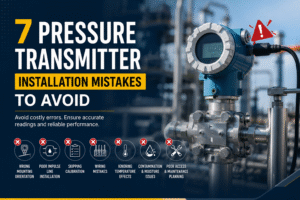
The pressure transmitter converts a measured physical force into a standardized electrical signal (e.g., 4-20mA). This process often uses specialized sensors (like piezoresistive or capacitance) that deform under pressure, creating a measurable change in electrical resistance or capacitance. This output signal is then utilized by control systems for precise process regulation.
B. Flow Switches

The flow switch working principle involves a mechanical or thermal element sensing the movement of fluid or gas. For instance, a paddle-type flow switch uses a paddle placed in the flow path; if the flow ceases, the paddle returns to a home position, activating a switch contact. This simple mechanism is essential for safety and pump protection, acting as a crucial component part.
C. Flame Arresters

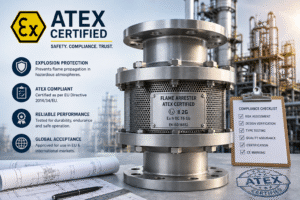
Flame arresters are specialized components that serve a safety function, critical for risk mitigation. Their principle is based on preventing the propagation of a flame (or explosion) by forcing the burning gas through a narrow channel (or element). The channel absorbs heat until the flame temperature falls below the auto-ignition point, effectively quenching the combustion and halting its spread.
5. Selection Criteria: Professional Decision-Making
The acquisition of industrial products, particularly specialized Equipment, involves professional decision-making by engineers and procurement specialists. Selection is based on technical merit and suitability for the process requirements:
- Accuracy and Range: The instrument must be capable of measurement within the required specifications. For Manufactured Materials, the pricing and marketing often depend on the quality of the raw material used. Similarly, the accuracy of the final instrument depends on the quality of its components.
- Environmental Conditions: The device must be durable against temperature extremes, corrosion, and vibration, reflecting its design for a Specialized Purpose.
- Safety Compliance: Items like the flame arrester must meet stringent industry safety standards, as reliability is essential for minimizing operational risks.
- Pricing and Availability: For high-volume items or Manufactured Parts, pricing and availability often become a major issue, sometimes outweighing advertising efforts. Reliable supply is key.
6. Installation and Maintenance Best Practices
Industrial products are expected to have a Long Lifecycle and perform well over an extended period. To achieve this, proper installation and ongoing maintenance are essential.
- Installation: Correct installation ensures the Equipment operates within its design parameters, preventing early failure and costly downtime.
- Maintenance: Services and Maintenance (such as repair and technical support) are critical for ensuring machinery functions optimally. Preventive maintenance minimizes operational disruptions and extends the lifespan of assets.
- Supplies: Routine maintenance also requires the regular use of Operating Supplies (e.g., lubricants) and Maintenance and repair supplies (e.g., replacement parts).
7. Automation and IoT Integration
The global industrial equipment market growth is significantly driven by advancements in technology and increasing automation across industries. Modern industrial automation solutions rely entirely on reliable instrumentation.
Instrumentation devices transform physical process variables into actionable data. A pressure transmitter, for example, delivers a real-time signal to a central control system. This integration allows automated systems to boost efficiency and ensure quality. When connected through IoT frameworks, this data can enable sophisticated predictive Maintenance and repair services, minimizing downtime and optimizing resource allocation.
8. Real-World Applications and Examples
The demand for industrial instrumentation devices is a case of Derived Demand—it stems directly from the demand for the final goods or services they help produce.
- Oil & Gas Safety: The flame arrester is indispensable in preventing explosions in storage tanks or flare stacks, managing the risks associated with volatile Natural products like oil and diesel.
- Water Treatment: Flow switches are used extensively to monitor flow rates, protecting high-value pump Equipment from running dry or experiencing cavitation.
- Automotive Manufacturing: High-precision pressure transmitter and flow measurements ensure exact dosing of chemicals or gases in automated robotic systems, similar to how CNC machines are used for precision manufacturing.
- Fluid Handling: Strainers act as primary defense mechanisms, filtering debris to protect sensitive downstream Component Parts and Equipment from damage.
9. Cost and Pricing Considerations
As Capital Items, industrial products require significant investment. Pricing is influenced by several B2B factors:
- Material Quality: The cost of the final product often depends on the quality of the raw material being processed or used.
- Reliability: For Manufactured Parts like basic flow switches, reliable supply and competitive pricing are paramount, especially where differentiation is low.
- Long-Term Value: Organizations must evaluate instruments not just on the initial cost, but on the expected Long Lifecycle and the cost of Maintenance and repair services over time.
10. Kuncham’s Role and Solutions
KUNCHAM CONTROLS understands that providing industrial solutions involves meeting the high technical and strategic needs of B2B customers. Our offerings, including precise flow switches, durable pressure transmitters, certified flame arresters, and robust strainers, are designed specifically to meet specialized purpose requirements and provide long-term value. By focusing on reliability and technical specification, Kuncham ensures that customers’ Capital Items provide the necessary stability and longevity required for large-scale operations.
Industrial instrumentation devices are fundamental to the operational success and safety of modern industry. By prioritizing professional selection criteria, understanding the specialized nature of these products, and integrating them effectively into modern industrial automation systems, businesses can ensure efficient resource allocation and effective risk mitigation.
If your organization requires high-quality, technically advanced Equipment that minimizes downtime and ensures a Long Lifecycle, Contact Kuncham for tailored instrumentation solutions designed to meet your unique needs.