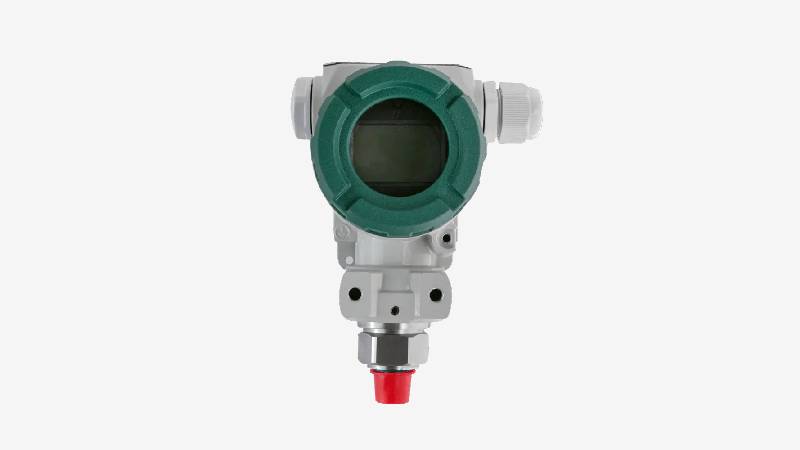
In the oil and gas sector, pressure is not just a process variable it’s a safety parameter, a quality indicator, and a regulatory requirement. From upstream drilling sites to downstream refinery units, precise pressure monitoring keeps operations stable and prevents costly failures.
A well-designed pressure transmitter for oil and gas applications plays a critical role in maintaining operational integrity across extreme temperatures, corrosive fluids, and hazardous zones. In this guide, we’ll explore how pressure transmitters function in the oil and gas industry, key applications, selection criteria, and emerging trends written with clarity, not complexity.
Why Pressure Measurement Is Critical in Oil & Gas
Oil and gas facilities operate under high pressure conditions. A small deviation can result in:
- Equipment damage
- Production loss
- Environmental incidents
- Safety hazards
According to the American Petroleum Institute (API), pressure control is fundamental to safe drilling, refining, and transportation operations. Monitoring systems must meet strict performance and reliability standards.
Simply put: accurate pressure measurement protects both assets and lives.
What Is a Pressure Transmitter?
A pressure transmitter measures process pressure (liquid, gas, or vapor) and converts it into an electrical output signal—typically 4–20 mA or digital communication (HART, Modbus, Foundation Fieldbus). This signal feeds into control systems for real-time monitoring and automation.
Unlike simple gauges, transmitters provide continuous remote data, enabling operators to maintain safe and efficient operations.
Applications Across the Oil & Gas Value Chain
The oil and gas industry is broadly divided into upstream, midstream, and downstream sectors. Pressure transmitters serve all three.
Upstream: Exploration & Production
Upstream operations include drilling and oilfield production. Conditions here are harsh high vibration, extreme temperatures, corrosive fluids, and explosive atmospheres.
An upstream pressure sensor is commonly used for:
- Wellhead pressure monitoring
- Mud pump systems
- Hydraulic fracturing lines
- Blowout preventer (BOP) systems
Accurate oilfield pressure monitoring ensures well integrity and prevents dangerous pressure build-up.
The International Association of Oil & Gas Producers (IOGP) emphasizes real-time monitoring systems to improve safety and reduce operational risk in upstream environments.
Midstream: Pipelines & Transportation
Transporting crude oil and natural gas through pipelines requires constant supervision. A pipeline pressure transmitter helps detect:
- Leaks
- Blockages
- Flow restrictions
- Compressor malfunctions
Pressure variations often serve as the earliest indication of pipeline failure.
The Pipeline and Hazardous Materials Safety Administration (PHMSA) enforces strict monitoring regulations for pipeline safety. Reliable pressure transmitters are essential for compliance.
Downstream: Refineries & Petrochemical Plants
Refineries operate with complex distillation columns, reactors, and storage tanks. Accurate refinery pressure measurement ensures process stability and product quality.
A pressure transmitter for refinery plant applications typically monitors:
- Distillation column pressure
- Reactor vessels
- Boiler systems
- Hydrogen processing units
- Storage tanks
Refinery environments often require corrosion-resistant materials and high-temperature capability.
Explosion-Proof Requirements in Hazardous Areas
Oil and gas facilities frequently operate in hazardous zones where flammable gases may be present. Equipment must comply with explosion-proof standards.
Certifications may include:
- ATEX (Europe)
- IECEx (International)
- FM/CSA (North America)
An explosion proof pressure transmitter is designed with flameproof enclosures to prevent ignition of surrounding gases.
When evaluating explosion proof pressure transmitter price, buyers should consider:
- Certification type
- Material construction
- Accuracy class
- Communication protocol
- Brand reputation
Choosing the lowest price without verifying certification can create serious safety risks.
Also read : 10 Common Pressure Transmitter Problems and Solutions
Types of Pressure Transmitters Used in Oil & Gas
Different applications require different sensing technologies.
- Gauge Pressure Transmitters
Measure pressure relative to atmospheric pressure. Common in storage tanks and vented systems.
- Absolute Pressure Transmitters
Measure pressure relative to a perfect vacuum. Ideal for vacuum distillation and compressor applications.
- Differential Pressure (DP) Transmitters
Measure pressure difference between two points. Used in:
- Flow measurement (with orifice plates)
- Filter monitoring
- Level measurement in pressurized vessels
DP transmitters are widely used in refinery operations.
Key Selection Criteria
Choosing the right pressure transmitter for oil and gas applications requires careful evaluation.
- Process Conditions
- Pressure range
- Temperature
- Fluid type (corrosive, abrasive, gas, liquid)
- Vibration level
Harsh environments demand stainless steel, Hastelloy, or other corrosion-resistant materials.
- Hazardous Area Classification
Ensure compliance with relevant standards (ATEX, IECEx, etc.) for Zone 0, Zone 1, or Zone 2 environments.
- Accuracy & Stability
Critical process control applications may require ±0.1% accuracy or better. Long-term stability reduces recalibration frequency.
- Communication & Integration
Modern plants use PLC and SCADA systems. Ensure compatibility with:
- 4–20 mA
- HART
- Modbus
- Foundation Fieldbus
Digital diagnostics improve predictive maintenance.
Role of an Oil and Gas Instrumentation Supplier
Selecting a reliable oil and gas instrumentation supplier is just as important as choosing the device itself.
A qualified supplier should provide:
- Certified products
- Application guidance
- Calibration support
- After-sales service
- Technical documentation
Suppliers with industry experience understand sector-specific compliance and operational challenges.
Manufacturing Landscape in India
India has emerged as a strong manufacturing hub for industrial instrumentation. A reputable industrial pressure transmitter manufacturer India can offer:
- Cost-effective solutions
- Global certifications
- Custom engineering
- Export capabilities
Indian manufacturers increasingly comply with international quality standards such as ISO 9001 and ATEX certifications, making them competitive globally.
Common Failure Causes (and How to Prevent Them)
Even robust transmitters fail if improperly selected or installed.
Common causes include:
- Overpressure conditions
- Incorrect material selection
- Poor grounding in hazardous zones
- Vibration-induced damage
- Improper impulse line installation
Preventive measures:
- Install pressure snubbers where pulsation exists
- Use proper sealing techniques
- Conduct routine calibration
- Monitor diagnostic alerts
Regular maintenance extends transmitter lifespan significantly.
Regulatory and Safety Considerations
The oil and gas industry operates under strict global regulations to prevent accidents and environmental damage.
The Occupational Safety and Health Administration (OSHA) mandates safety controls in hazardous work environments. Proper instrumentation supports compliance by ensuring safe pressure levels.
Environmental regulations also require accurate monitoring to prevent leaks and emissions.
Digital Transformation & Smart Pressure Transmitters
The industry is rapidly adopting digital technologies. Smart pressure transmitters now offer:
- Remote configuration
- Predictive diagnostics
- Cloud connectivity
- Data logging
- Real-time alerts
Integration with Industrial Internet of Things (IIoT) platforms improves operational visibility and reduces downtime.
Facilities increasingly shift from reactive maintenance to predictive maintenance—saving both time and capital.
Cost vs. Value: Making the Right Investment
When comparing explosion proof pressure transmitter price options, remember:
- Lower upfront cost may mean higher maintenance expenses
- Certified products reduce liability risks
- Better accuracy improves process efficiency
- Durable construction reduces downtime
In oil and gas, reliability outweighs short-term savings.
Future Outlook
As global energy demand evolves and safety standards tighten, instrumentation requirements continue to grow. Pressure transmitters will remain essential for:
- Carbon capture systems
- LNG facilities
- Hydrogen production
- Offshore platforms
Advancements in sensor materials and wireless technology will further improve reliability and efficiency.
Final Thoughts
Pressure transmitters are not just measurement devices they are frontline safety instruments in the oil and gas industry.
From upstream pressure sensor installations at wellheads to refinery pressure measurement in complex distillation systems, accurate pressure monitoring protects assets, personnel, and the environment.
Selecting the right pressure transmitter for oil and gas applications requires understanding process demands, regulatory requirements, and long-term operational goals. When chosen wisely and maintained properly, these instruments deliver dependable performance in some of the world’s toughest industrial environments.
In oil and gas operations, pressure control isn’t optional—it’s fundamental.